Red Fort Blast Breakthrough: Techie Who Tuned Drones for Attack Arrested by NIA
Red Fort Blast Breakthrough: Techie Who Tuned Drones for Attack Arrested by NIA
Red Fort Blast Breakthrough: Techie Who Tuned Drones for Attack Arrested by NIA
Introduction: A Significant Breakthrough in a High-Profile Case
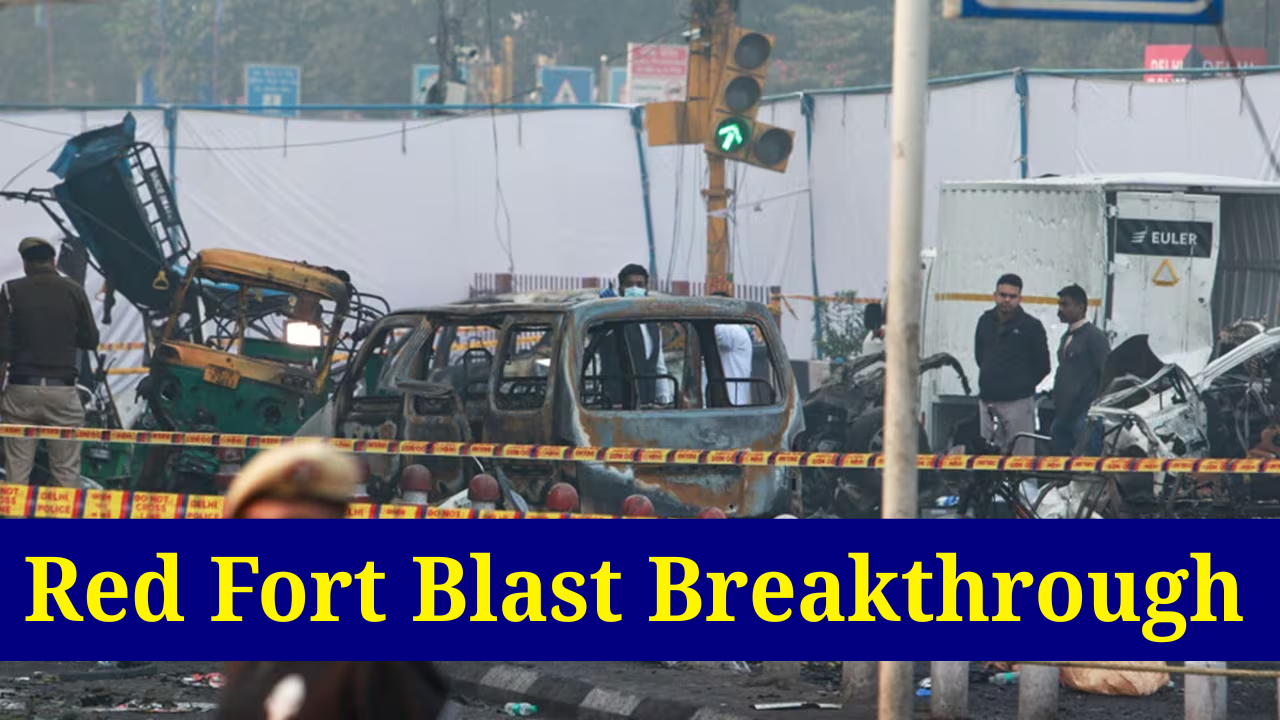
The Red Fort stands as one of India’s most iconic symbols of history, culture, and national identity. Every year, the Prime Minister addresses the nation from its ramparts, making it not just a monument, but a highly sensitive security zone. When a blast shook the Red Fort premises earlier this year, it sent shockwaves through the entire country. The incident raised alarming questions about national security and highlighted the growing challenges posed by modern technology in terror activities.
After months of combing through evidence, tracking digital footprints, and cross-checking intelligence inputs, the National Investigation Agency (NIA) has finally achieved a major breakthrough. The agency has arrested a techie who allegedly “tuned” and programmed the drones used in the attack. This arrest marks a turning point in the investigation and is being seen as the most critical development in the Red Fort blast case so far.Red Fort Blast Breakthrough: Techie Who Tuned Drones for Attack Arrested by NIA
The Arrest: Who Is the Tech Expert Behind the Attack?
According to the NIA, the arrested individual is a highly skilled technology professional, aged between 26 and 32 years. His identity has not been fully disclosed due to the sensitivity of the ongoing investigation, but what has emerged paints the picture of a well-trained mind with a deep understanding of advanced drone systems.Red Fort Blast Breakthrough: Techie Who Tuned Drones for Attack Arrested by NIA
Key Details Revealed So Far:
-
The accused is an engineering graduate specializing in Computer Science, Robotics, or Electronics from a reputed Indian institute.
-
He possesses expertise in drone mechanics, GPS manipulation, encrypted communication systems, and remote-flight programming.
-
NIA sources believe he acted as the “technical brain” behind the operation.
-
He allegedly modified flight-paths, altitude simulations, and detonation synchronization for the drones used in the blast.
-
To mask his identity and evade tracking, the techie used the Dark Web, encrypted communication tools, burner devices, and VPN networks.
During the raids, NIA seized his laptop, multiple hard drives, encrypted USB devices, and documents detailing advanced drone-navigation algorithms. Investigators are now conducting forensic analysis of his digital storage, cloud backups, and even foreign-based server logs linked to him.Red Fort Blast Breakthrough: Techie Who Tuned Drones for Attack Arrested by NIA
Weaponizing Technology: The Role of Drones in the Red Fort Attack
One of the most disturbing revelations from this arrest is the sophisticated manner in which drones were weaponized. These were not ordinary commercial drones, but custom-modified flying machines capable of carrying and deploying small-scale explosive payloads.Red Fort Blast Breakthrough: Techie Who Tuned Drones for Attack Arrested by NIA
How the Drones Were Modified:
-
GPS Masking – The drones were reportedly programmed to bypass standard geofencing restrictions around high-security areas like the Red Fort.
-
Low-Altitude Flight Programming – They were calibrated to fly below radar detection thresholds, making them extremely hard to track.
-
Time-Triggered Mechanisms – The devices were synced with a delayed or remote detonation system.
-
Signal Encryption – Communication between the operator and the drones was routed through encrypted channels to avoid interception.
This level of customization indicates the involvement of someone with professional-grade engineering and coding skills, far beyond basic hobby-level drone usage.
The arrest of the techie suggests that extremist groups are actively recruiting digital experts who can exploit modern technology to carry out attacks from a distance, minimizing on-ground risk.Red Fort Blast Breakthrough: Techie Who Tuned Drones for Attack Arrested by NIA
The Investigation: How NIA Tracked the Digital Footprints
The arrest didn’t come easy. The NIA spent weeks piecing together clues from both the physical scene of the blast and the digital realm.
Steps That Led to the Breakthrough:
-
Analysis of Drone Debris: Experts reconstructed fragments of the destroyed drones and discovered components that didn’t match any commercially available models. This suggested custom engineering.
-
Cyber Forensic Trails: Small digital signatures within the drone’s internal chips pointed toward custom firmware.
-
Tracing Dark Web Transactions: Investigators followed cryptocurrency trails, which led to suspicious payments for specialized drone parts.
-
Monitoring Encrypted Chats: Through global cooperation, the agency gained partial access to conversations on encrypted platforms that hinted at a “tech handler.”
-
Location Mapping: VPN logs and unusual server access patterns aligned with the suspect’s laptop and IP behaviour.
After establishing a strong digital footprint, NIA conducted raids and interrogations that ultimately confirmed the techie’s involvement.
Impact on National Security: A Wake-Up Call for India
This breakthrough serves as a stark reminder that modern terrorism is evolving rapidly, and technology has become its most dangerous weapon. Drones, once used for photography and delivery services, are now being adapted for remote attacks with minimal human risk.
Implications Going Forward:
-
Heightened Security Around Monuments: Authorities are likely to upgrade anti-drone technology around sensitive sites like the Red Fort, Parliament, airports, and military bases.
-
Stricter Drone Regulations: Laws regarding drone purchase, usage, and customization may become more stringent.
-
Monitoring Tech Recruitment by Extremist Groups: Agencies will be focusing more on how terror groups recruit engineers, coders, and cybersecurity experts.
-
Strengthened Cyber-Forensic Capabilities: The need for advanced cyber-intelligence units has become more pressing.
The Red Fort blast case isn’t just about one attack—it exposes a larger pattern where technology, engineering, and terrorism intersect. The arrest proves that even the most sophisticated digital cover can be penetrated with persistent investigation.
Conclusion
The NIA’s arrest of the techie involved in configuring the drones used in the Red Fort blast marks a monumental advancement in solving one of the year’s most shocking terror incidents. It highlights the evolving nature of threats India faces—where technical expertise becomes a weapon and drones transform into instruments of destruction.Red Fort Blast Breakthrough: Techie Who Tuned Drones for Attack Arrested by NIA
Important Link
| Join Website Link | Click Here |
| Join Telegram Group | Click Here |
| Join WhatsApp Group | Click Here |
| Join YouTube Channel | Click Here |