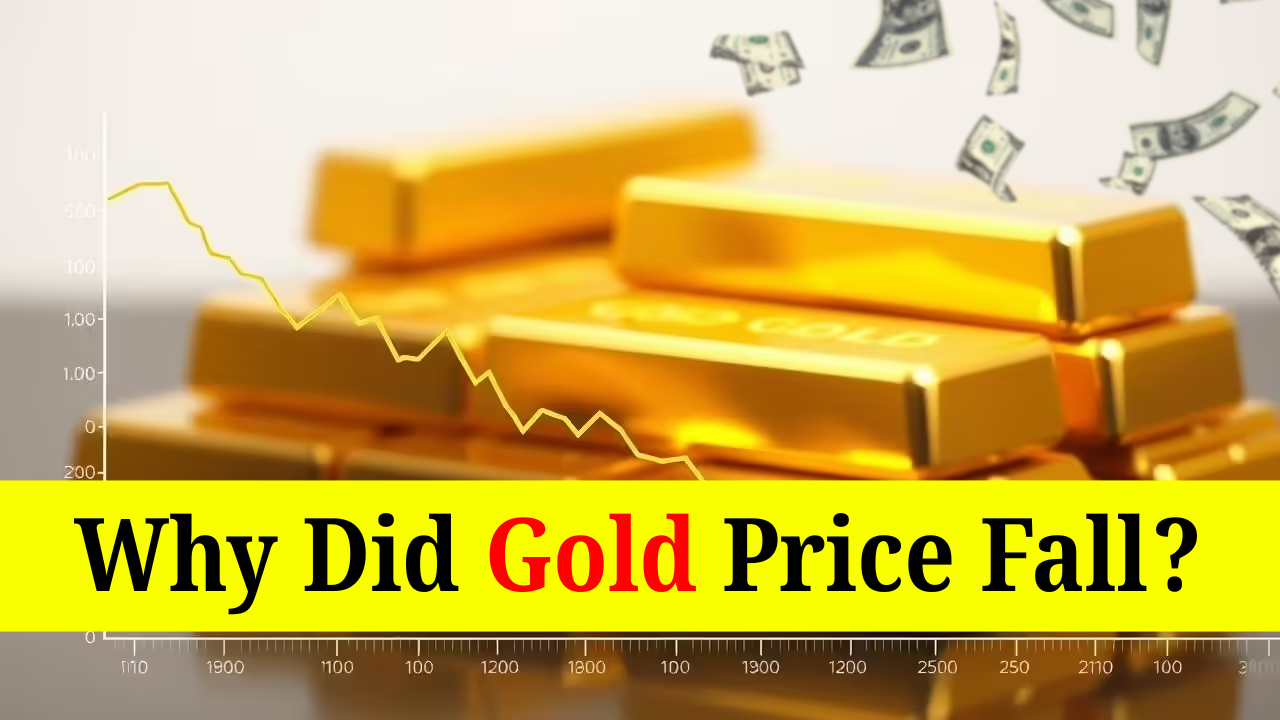
Gold Under Pressure: Global Forces Weighing on Bullion Prices
Gold Under Pressure: Global Forces Weighing on Bullion Prices
This post line is expected to immediately establish the current challenging scenario for the gold market and/or introduce the post’s main focus.
Gold Under Pressure: Global Forces Weighing on Bullion Prices
Gold, the world’s most trusted safe-haven asset, seems to be losing its shine in recent weeks. Prices have slipped sharply as global macroeconomic factors turn un favourable for bullion. Rising U.S. dollar strength, increasing Treasury yields, and cautious monetary policy from central banks are putting consistent pressure on the yellow metal. Let’s understand in detail the global factors that are dragging gold prices lower. Gold Under Pressure: Global Forces Weighing on Bullion Prices
Strengthening U.S. Dollar Dampens Gold’s Global Appeal
The U.S. dollar index has surged to multi-month highs, creating major headwinds for gold. Since gold is traded globally in dollar terms, a stronger dollar makes it more expensive for investors using other currencies, leading to weaker international demand.
At the same time, global funds and institutional investors are rebalancing portfolios in favour of dollar-based assets such as bonds and equities. As a result, gold is losing its traditional shine as a hedge against currency weakness.
In short, the more powerful the U.S. dollar becomes, the less attractive gold looks to the rest of the world. Gold Under Pressure: Global Forces Weighing on Bullion Prices
Rising Bond Yields Divert Investor Interest Away from Bullion
Another major factor weighing on gold prices is the rise in U.S. Treasury yields. When government bond yields rise, they offer better fixed returns to investors. Gold, on the other hand, is a non-yielding asset — it doesn’t generate interest or dividends.
This shift has caused global investors to move funds from gold ETFs to bonds, particularly as expectations grow that interest rates may remain higher for a longer period.
In financial terms, the “opportunity cost” of holding gold increases when yields rise — and this makes bullion less appealing as an investment option in the short to medium term.
Central Banks’ Hawkish Monetary Policy Keeps Pressure On
The U.S. Federal Reserve and other major central banks have adopted a hawkish stance on monetary policy. Inflation remains above target levels in several economies, prompting policymakers to maintain higher interest rates.
The Fed’s statements suggesting “higher for longer” interest rates have been particularly bearish for gold. Investors who were expecting quick rate cuts are now recalibrating expectations, pushing up the dollar and bond yields simultaneously.
Until central banks start signaling a shift towards easing or rate cuts, gold prices are likely to remain under pressure in the global markets. Gold Under Pressure: Global Forces Weighing on Bullion Prices
Reduced Safe-Haven Demand Amid Market Stability
During times of financial or geopolitical uncertainty, gold prices usually rise as investors seek a safe store of value. However, recent global trends show improved economic stability and strong equity performance, especially in the U.S. and Asia.
Stock markets have recovered, oil prices have stabilized, and fears of a global recession have cooled down. With investor confidence returning, funds are flowing out of safe-haven assets like gold and into riskier, higher-return markets.
This shift in sentiment is another key reason for gold’s declining momentum in global markets. Gold Under Pressure: Global Forces Weighing on Bullion Prices
Weak Physical Demand from Key Consumer Nations
The world’s largest gold consumers — India and China — are showing subdued physical demand this season. In India, high domestic prices and a weaker rupee have discouraged jewellery buyers ahead of the festive season.
Similarly, China’s economic slowdown has led to lower consumer spending on luxury goods, including gold. The combination of weak retail buying and sluggish investment demand is adding further pressure on global bullion prices.
Jewellery markets and central bank purchases have not been strong enough to offset the decline in investment-led demand, keeping overall sentiment negative.
Conclusion: What Lies Ahead for Gold?
The near-term outlook for gold depends largely on the trajectory of global interest rates, inflation, and the strength of the U.S. dollar. If inflation cools further and central banks maintain tight policies, gold could continue to face headwinds.
However, if geopolitical risks rise or central banks shift towards rate cuts in 2025, we could see a renewed rally in bullion. For now, gold remains under pressure — shining less brightly as global investors chase better returns elsewhere.
Thats All Thank you ……..
Important Link
| Join Website Link | Click Here |
| Join Telegram Group | Click Here |
| Join WhatsApp Group | Click Here |
| Join YouTube Channel | Click Here |